PRP News
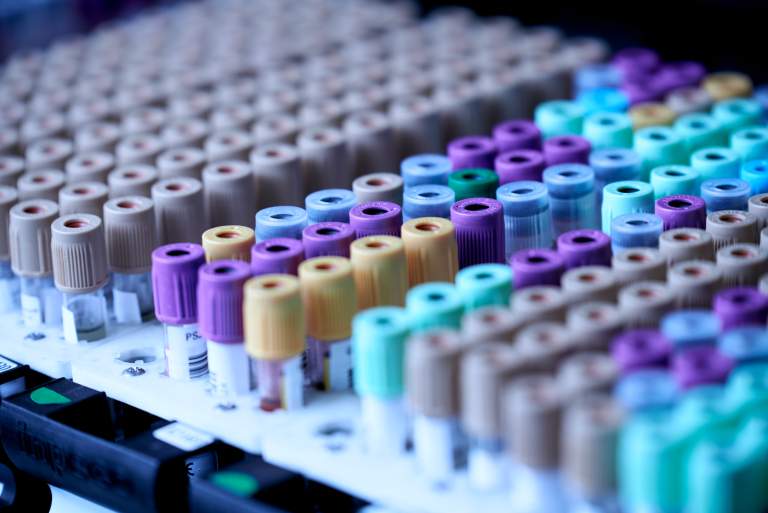
How Can PRP Work for Years If Platelets Only Live for Seven Days?
Posted August 17, 2026
PRP initiates a healing response that continues after the platelets are gone, supporting ongoing repair and improved joint function.
One of the most common questions Dr. Geraci hears from patients considering Platelet-Rich Plasma (PRP) injections for joint osteoarthritis: If platelets only live for about seven days, how can PRP provide benefits that last for years?
The answer begins with what happens when the platelets are activated. They quickly release growth factors and other signaling proteins that help set the body’s healing processes in motion. Although the platelets themselves do not remain active indefinitely, the signals they release can prompt other cells to participate in the repair process.
Platelets Start the Healing Process
Platelets are best known for helping blood clot, but they also contain growth factors and other proteins involved in the body’s healing response.
When PRP is injected into an arthritic joint, the platelets become activated and begin releasing these growth factors. This initial release happens quickly, with a significant amount of the growth factors released during the first few hours.
Those growth factors act as signals that help recruit and activate the body’s own repair cells.
Think of platelets like emergency delivery trucks. They arrive at the joint carrying a cargo of healing proteins called growth factors. Once they reach their destination, they unload that cargo and send signals that tell the body’s repair system where help is needed.
The trucks don’t need to stay at the scene forever. Their job is to deliver the supplies and get the repair process started.
The Healing Response Continues After the Platelets Are Gone
An individual platelet may only remain viable for about seven days, but the biological response it initiates can continue for weeks.
The process can be thought of in several stages:
- First few hours to seven days: Activated platelets release growth factors and other signaling proteins. Patients may experience some temporary soreness or inflammation during this early phase.
- Approximately 2–6 weeks: Recruited repair cells and changes within the joint environment support ongoing tissue remodeling and help reduce inflammatory signals.
- Approximately 3–6 months: Functional improvements and reductions in pain may become more apparent as the biological response continues.
- 3–5 years: According to Geraci Spine, the clinical benefits of PRP treatment for joint osteoarthritis can last for several years before gradually tapering off.
The key point is that the platelets don’t have to remain in the joint for years for their effects to continue. They initiate a cascade of biological activity that continues after the original platelets have broken down.
PRP Helps Kickstart the Body’s Repair Process
Another way to think about PRP is as a biological “kickstart.”
The injection introduces a concentrated source of platelets and their growth factors into an area affected by osteoarthritis. Once activated, these platelets can signal local and incoming cells to respond to the damaged or inflamed environment.
Rather than the platelets doing all of the repair themselves, they help initiate a process that involves the body’s own cells. This is why the lifespan of an individual platelet does not necessarily determine how long a patient may experience clinical improvement.
For patients, the delivery-truck analogy can make the process easier to understand: the platelets deliver the instructions and supplies, then the body’s own repair system continues the work.
Understanding the Difference Between Platelet Lifespan and Treatment Duration
It is important to distinguish between the lifespan of the platelets and the duration of the body’s response to the treatment.
The platelets may only be active for days, but the cellular processes they initiate can continue for weeks. As the joint environment changes and repair cells respond to the signals from the injection, improvements in pain and function may develop over the following months.
This is why a PRP injection is not simply a temporary replacement for the platelets that are already in your blood. Instead, the goal is to use the platelets’ biological properties to start a longer-lasting healing and tissue-response process.
For patients with joint osteoarthritis, understanding this distinction can help explain why the effects of PRP can extend far beyond the relatively short lifespan of an individual platelet.
If you are considering PRP for joint osteoarthritis, contact Geraci Spine to schedule a consultation and discuss whether PRP may be an appropriate treatment option for you.